- by Ai Samaytuha Maryam
- 20 June 2026

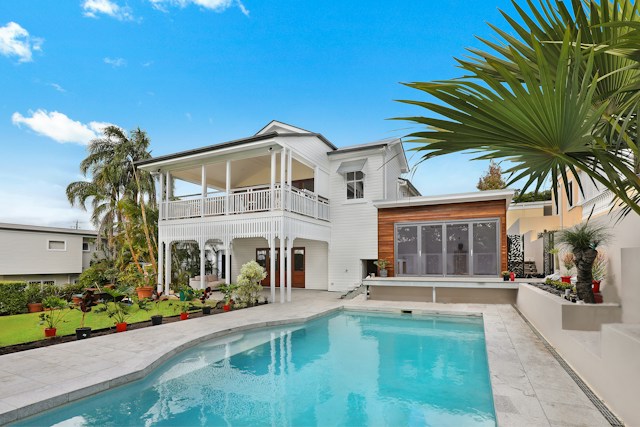
blog.pandaraprima.com – Bali continues to attract both domestic and international tourists. As the tourism industry evolves, accommodation preferences are changing as well. In recent years, luxury villas in Bali have become more popular among travelers seeking greater privacy, comfort, and flexibility during their stay.
This shift in preference has become an interesting trend in Bali's property market. For investors, growing demand for private accommodation may create investment opportunities, particularly in properties designed to meet the needs of modern travelers.
Comprehensive facilities and privacy are among the main reasons travelers choose villas over standard hotel rooms. A private villa offers more living space and amenities such as private swimming pools, modern kitchens, living areas, and dedicated workspaces.
This type of accommodation is ideal for various traveler segments, from couples and families to groups of friends who want to enjoy their holidays with greater freedom and comfort.
Travelers' lifestyles have also changed. Many visitors no longer come to Bali just for short holidays lasting two or three days. Instead, they choose to stay for several weeks or even months to work remotely or experience the local lifestyle for an extended period.
The growing popularity of the digital nomad lifestyle and long-stay tourism has also influenced accommodation needs across the island. Remote workers typically look for properties with complete facilities, reliable internet connections, and comfortable environments that support productivity.
This trend is also supported by various visa and long-term stay options available to foreign nationals. These include the Second Home Visa, introduced in December 2022, the Remote Worker Visa (E33G), introduced in 2024, and Indonesia's Golden Visa, launched in July 2024.
These options may help attract international visitors who wish to spend longer periods in Bali. For this group, renting a villa for several weeks or months can be an alternative to booking hotel rooms for an extended stay.
Changes in traveler behavior have also influenced Bali's property market. Amid growing competition in the accommodation sector, some conventional hotel properties have been put up for sale. This situation may be influenced by various factors, including business strategies and property owners' financial considerations.
Meanwhile, luxury villas have emerged as an attractive property investment option worth considering. They offer the privacy and flexibility that appeal to certain traveler segments. However, their investment potential still depends on factors such as location, operating costs, occupancy rates, and property management strategies.
Read More: Rent a Villa in Bali During Low Season vs Peak Season: Which Is Better?
As luxury villas in Bali become more popular, investors may want to explore opportunities in the island's property market, particularly in the tourism accommodation sector.
Properties in strategic locations, featuring attractive designs and good accessibility, may have greater appeal to potential renters. Areas such as Canggu, Pererenan, Ubud, and Uluwatu are also worth considering, as each offers distinct characteristics and attracts different types of travelers.
Nevertheless, property investment requires careful planning and financial analysis. Investors should evaluate several factors, including land acquisition costs, construction expenses, regular maintenance, estimated occupancy rates, market competition, and projected rental income and investment returns, including yield and return on investment (ROI).
These calculations are essential to ensure that investment decisions are not based solely on tourism trends but also take long-term business viability into account.
Despite the attractive market potential, legal certainty remains one of the most important foundations of property investment in Bali. Several aspects require careful examination, including land ownership status, spatial planning and zoning compliance, Building Approval (Persetujuan Bangunan Gedung or PBG), Certificate of Function Worthiness (Sertifikat Laik Fungsi or SLF), and business permits for commercial accommodation activities, depending on the nature of the business.
For foreign investors, understanding property rights and ownership arrangements, such as leasehold arrangements and the Right to Use (Hak Pakai), is equally important. Investors planning to operate a business through a Foreign Investment Limited Liability Company (PT PMA) should also understand the applicable company establishment requirements and business licensing regulations.
Conducting comprehensive legal due diligence before completing a transaction can help identify potential risks and reduce the likelihood of disputes in the future.
The growing popularity of villas as an alternative accommodation option reflects changing traveler preferences in Bali. Privacy, flexibility, and more comprehensive facilities are among the factors driving this trend.
For investors, these developments may create opportunities in Bali's property market. However, successful investment depends not only on location and building design but also on business planning, financial calculations, and legal certainty.
Pandara Prima is here to help you navigate the legal aspects of property investment in Bali. Our team can assist with various requirements, including PT PMA company establishment, property legal due diligence, zoning compliance, Building Approval (PBG), and Certificate of Function Worthiness (SLF).
Take a more informed approach to your property investment journey. Contact the Pandara Prima team today and discuss your luxury villa investment plans in Bali!
