- by Riyadh
- 11 March 2026

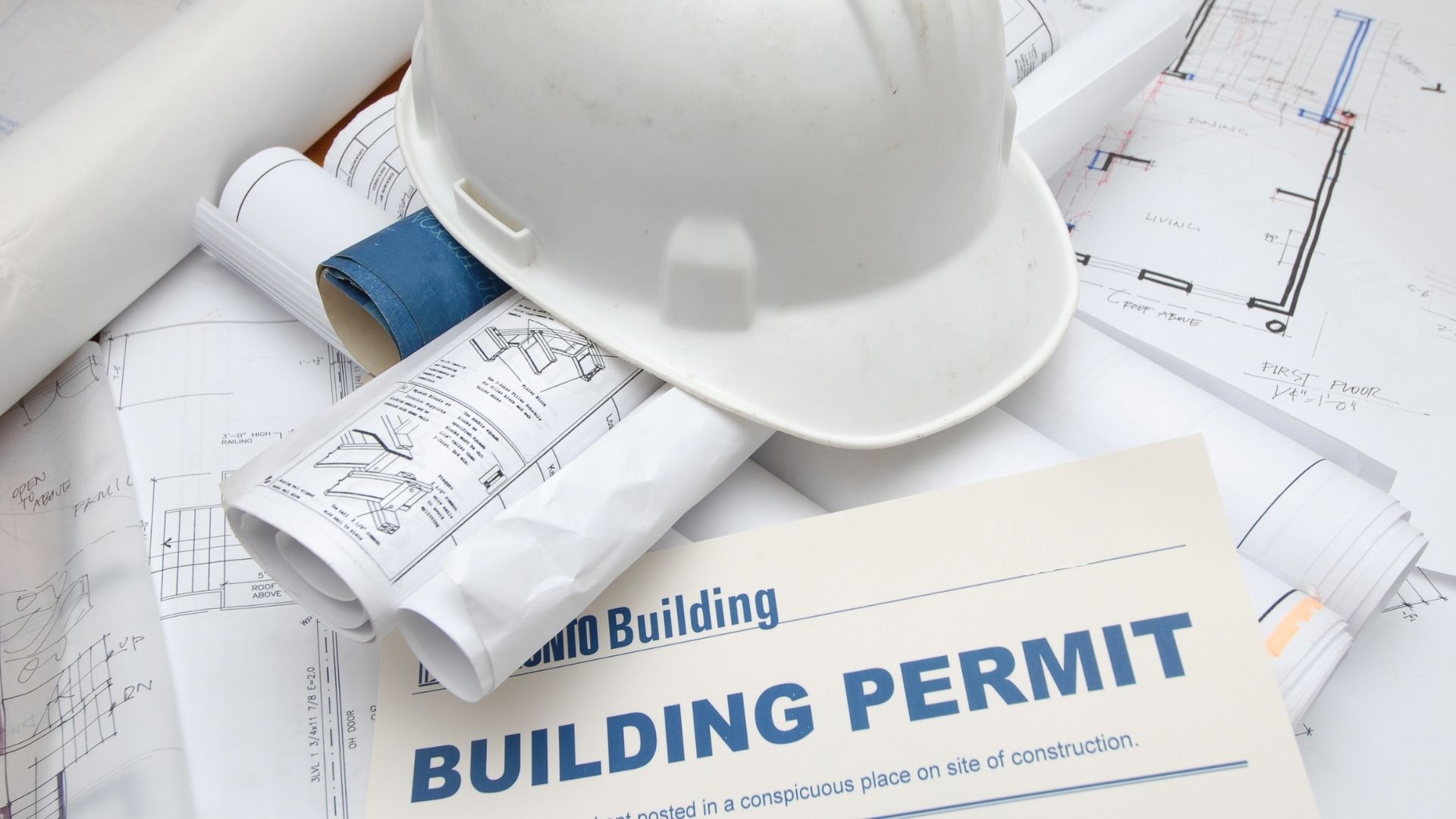
When someone plans to build a house, villa, shop house, office, or other business property, the main focus is often only on design and construction costs. In fact, there is one equally important thing that must be understood from the very beginning, Building permit regulations Indonesia.
Many projects are delayed not because of a lack of funds, but because the building permits do not comply with existing regulations. This is exactly why understanding the applicable rules is so important, so the construction process can run safely, legally, and without unnecessary problems later on.
Building permit regulations Indonesia are not only about formal paperwork, but also involve building safety, compliance with Government Regulation, and legal protection for property owners.
Moreover, Indonesia’s building permit system has undergone a major change from IMB (Building Construction Permit) to PBG (Building Approval Permit / Persetujuan Bangunan Gedung). If you still rely on the old understanding, the permit process may become much more complicated.
Understanding building permit regulations in Indonesia is very important, especially for investors, business owners, and the general public who want to develop property legally. These regulations are not made to make things difficult, but to ensure that every building meets safety standards, spatial planning requirements, and proper building functions.
In practice, Building permit regulations Indonesia are also closely related to the building code, which serves as the technical guideline for construction. So, it is not only about administrative permits, but also about construction standards that must be fulfilled to ensure the building remains safe for long-term use.
Before starting any construction project, it is important to first understand what building permits in Indonesia actually mean. Many people still think building permits are just a formality, even though their role is much more significant.
Building permit regulations Indonesia refer to a series of legal rules that regulate the approval process for building construction so that it aligns with land use, construction safety, and surrounding environmental standards. These regulations are based on various Government Regulations established by the government.
Currently, building permits no longer use IMB (Izin Mendirikan Bangunan), but instead use PBG (Persetujuan Bangunan Gedung). This system focuses more on meeting technical building standards rather than simply granting permission to build.
Many people want the construction process to be completed quickly, but they often forget that the building code is the main foundation that ensures a building is truly safe and suitable for use. It is not just an additional rule, but a mandatory standard.
Building code is a set of technical standards that regulate how a building should be designed and constructed. This includes foundation strength, drainage systems, ventilation, emergency access, and fire protection systems.
Its main purpose is to ensure structural safety. If a building does not meet the building code requirements, the risks can be very serious, ranging from early structural damage to potential major accidents. That is why Building permit regulations Indonesia always place the building code as an essential part of the approval process.
Many people assume that the building permit process is complicated simply because they do not understand the flow. In reality, if the steps are clear, everything can be completed faster and more efficiently. If you are still unsure, take a look at the steps below:
1. Determine the Building Function
The first step is to identify the function of the building to be constructed. Is it for residential, commercial, industrial, or tourism purposes? This function will determine the type of requirements that must be fulfilled. Business buildings usually have more detailed requirements compared to ordinary residential houses, especially regarding structural safety and public access.
2. Prepare Technical Documents
The next stage is preparing documents such as architectural drawings, structural plans, land ownership documents, and building utility plans. All of these documents must comply with the applicable building code so the verification process can run smoothly.
3. Submit Through the Official System
Currently, permit applications are submitted through an integrated digital system. The government encourages a more transparent process so applicants can easily monitor their permit status. Because this process involves the latest Government Regulation, understanding the system is very important to avoid administrative mistakes.
4. Verification and Approval
After the documents are submitted, the authorized institution will conduct technical and administrative inspections. If everything is in accordance with the requirements, the Building Approval Permit (PBG) will be issued. At this stage, even small document errors often become the main cause of delays.
Managing Building permit regulations Indonesia does require attention to detail. That is why using professional assistance is often the most efficient choice. Companies like PT Pandara Prima Dewata are here to help both domestic and international investors with business management and investment processes, including property permits and construction approvals. With comprehensive experience from concept development, planning, and execution to project completion, the investment process can run much more safely and efficiently.
For those who want to learn more about business regulations and investment opportunities in Indonesia, complete information can also be found on their official website at blog.pandaraprima.com. Their approach is practical, clear, and highly suitable for business owners as well as new investors.
By understanding the right Government Regulation, the construction process can become safer, faster, and face fewer obstacles. So, before starting any project, make sure you fully understand Building permit regulations Indonesia so your property investment does not turn into a problem in the future.